my delicious loose ends
Las Vegas and Lake Mead
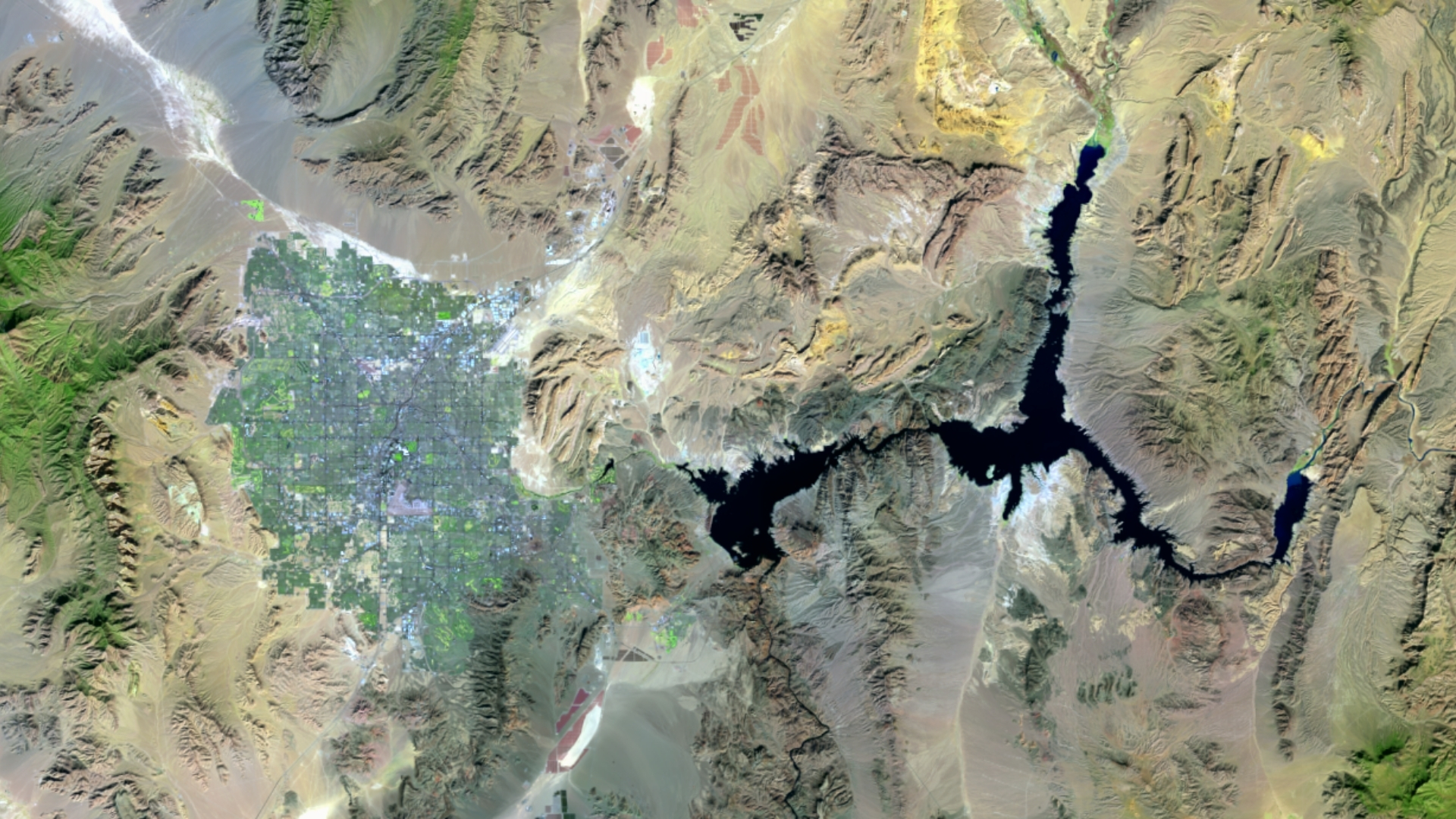
Las Vegas receives about 90% of its water from the Colorado River through Lake Mead.
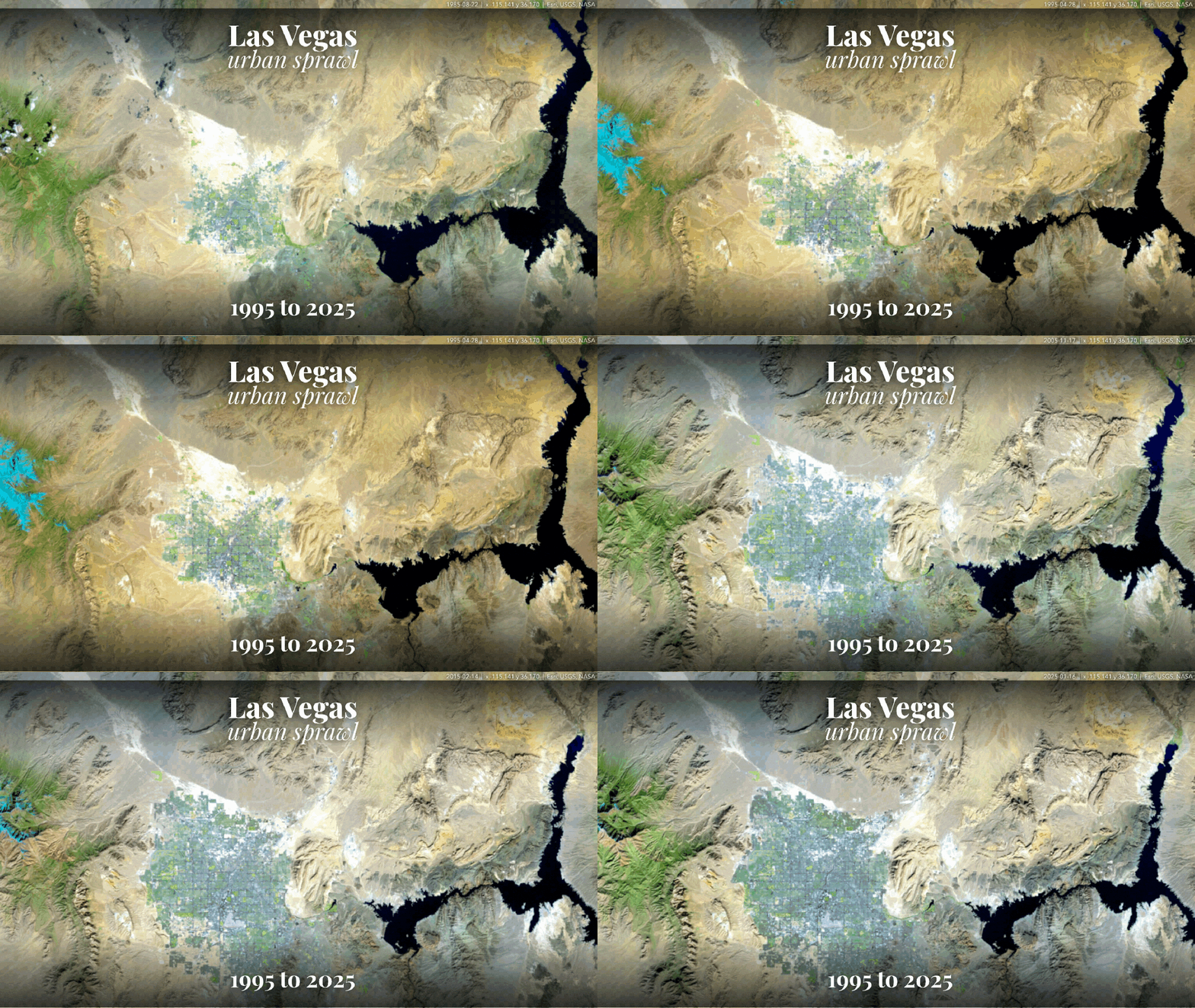
Satellite time-lapse images show how city growth and the lake’s decline have occurred together over time. These images highlight the importance of understanding how water use and population growth are connected.
How Much Water Is Used?
Nevada’s legal share of the Colorado River is about 300,000 acre-feet per year. Because Las Vegas returns most of its indoor water to Lake Mead, the city is deemed to stay within their total water use limit.
How Much Water Is Recycled?
About 40% of local water use happens indoors, and nearly 99% of that water is recycled and sent back to Lake Mead. This system means that most indoor water is not permanently lost and can be reused after treatment.
Can Recycled Water Be Used for Drinking?
Yes. After treatment, the recycled water returns to Lake Mead and is later withdrawn, treated again, and distributed as safe drinking water. This process, known as indirect potable reuse, helps extend available water supplies in a desert environment.
Steps Las Vegas Has Taken
Since the early 2000s, Las Vegas has reduced per-person water use by more than half while serving a growing population. The city has limited lawn use, encouraged desert landscaping, and expanded its water recycling systems.

Why It Matters
Images of Lake Mead’s changing shoreline tell a powerful story. While the region continues to face serious water shortages, efforts such as conservation and recycling suggest how mindful water management can mitigate a water crisis.
Discover more from miscellaneous
Subscribe to get the latest posts sent to your email.