my delicious loose ends
Native Plant Restoration

Volunteers teamed up to make progress on a native plant interpretive trail along the Santa Clara River.


In addition to helping out with today’s restoration project, volunteers were treated to an ethnobotany lesson about local watershed ecology, wildlife, and habitat revitalization along the river. (photo above: Esther Chase and Nina Danza)
Thanks to Nina, we have this sweet little video to commemorate the day.
Native History
The native plants chosen for the restoration are known to have been used by the Chumash and Tataviam peoples for food, medicine, and building materials.
Native Narratives: Conversation with the Chumash
https://youtu.be/2V9CvwdTc9Y
Native Narratives: History of the Fernandeño Tataviam Band of Mission Indians
https://youtu.be/Kp3SmDsPSEs
Fillmore Hatchery
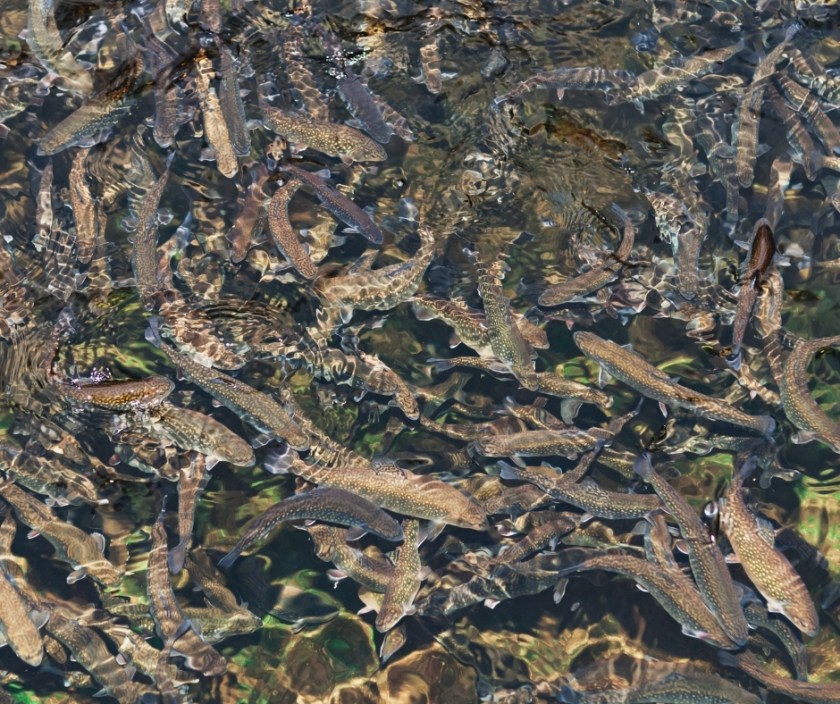
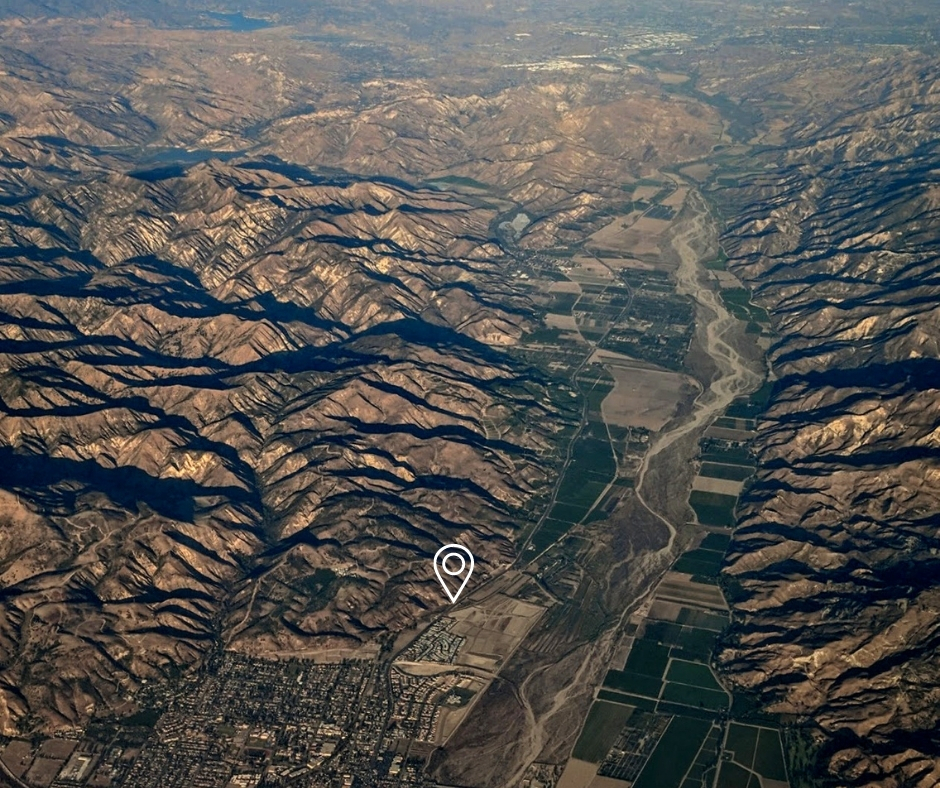
Located in eastern Ventura County at the foot of the Topatopa Mountains, Fillmore Hatchery raises trout for stocking streams in Southern California. The Hatchery produces about 1 million rainbow trout each year using freshwater from a combination of springs and wells.
Friends of the Santa Clara River
Friends of the Santa Clara River are working to restore the bare field adjacent to the Hatchery just beyond the parking area into an interpretive trail that is open to the public year-round. Grant funding for the project has been provided by California State Coastal Conservancy, University of California Santa Barbara, and Santa Clara River Conservancy.

Today’s event was organized by Jim Danza, Holly Wright, and Barbara Wampole.
Native Species & More
One of the volunteers suggested using PictureThis to identify plants; it really does serve as a “botanist in your pocket.” We also spotted tracks from what Nina believes could be a bobcat.
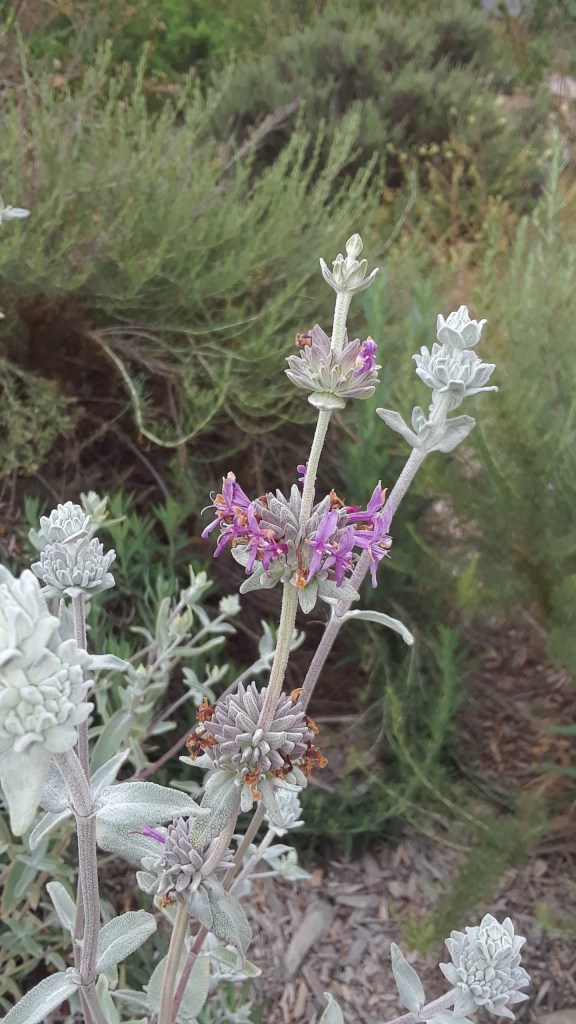
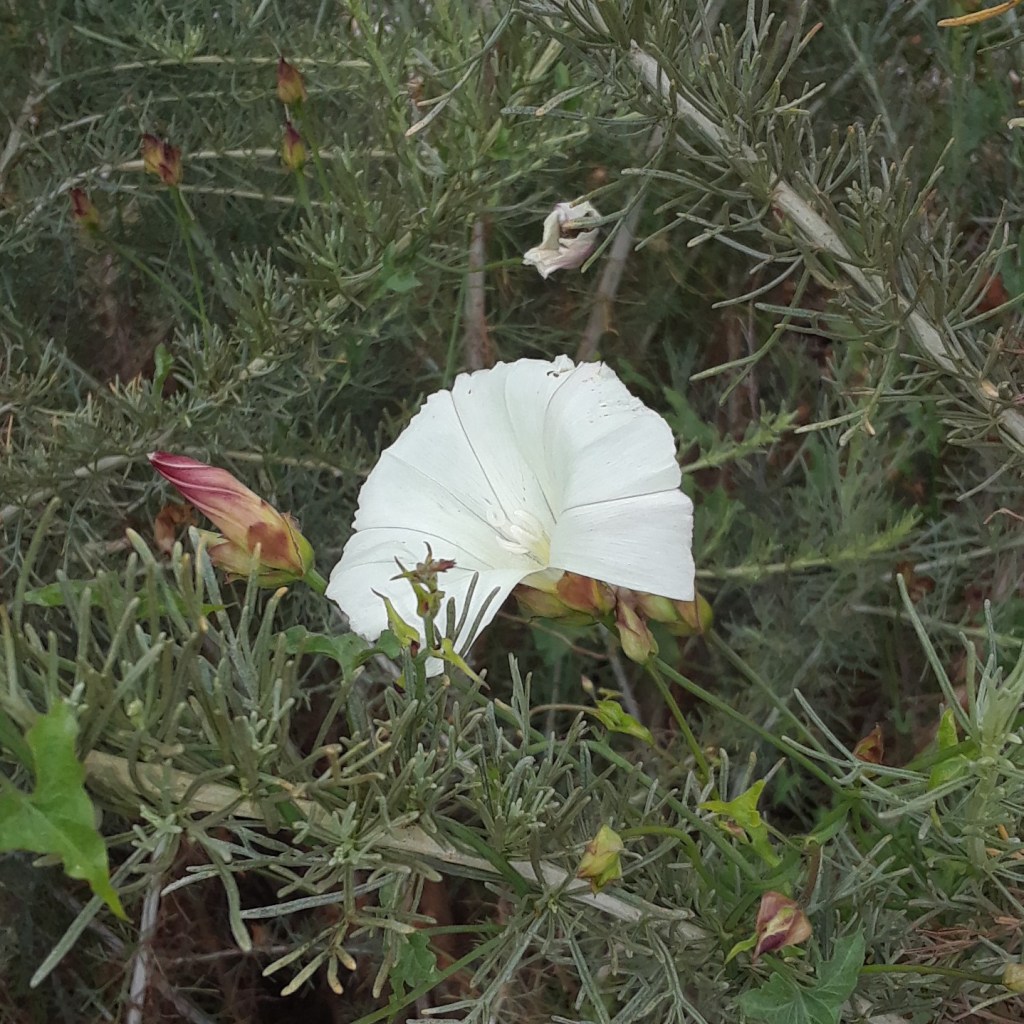


There is so much more to do; plus saltwater intrusion makes for ongoing challenges.
Interesting Facts
Non-native plants:
- Castor bean is poisonous, yet the oil is used as a home remedy
- Arundo donax has been a source for clarinet reed production
- Pomegranate root, stem, and peel are poisonous
- Shortpod mustard is a flowering plant from the Mediterranean
Native plants:
- Buckwheat is a flowering plant used to make buckwheat flour
- Prickly pear is a drought- and heat-tolerant flowering cactus
Other things we may have wondered about:
- Rocks rolling down the mountains to the coast eventually become sand
- Seashells atop coastal mountains are from when the land was underwater

Discover more from miscellaneous
Subscribe to get the latest posts sent to your email.